
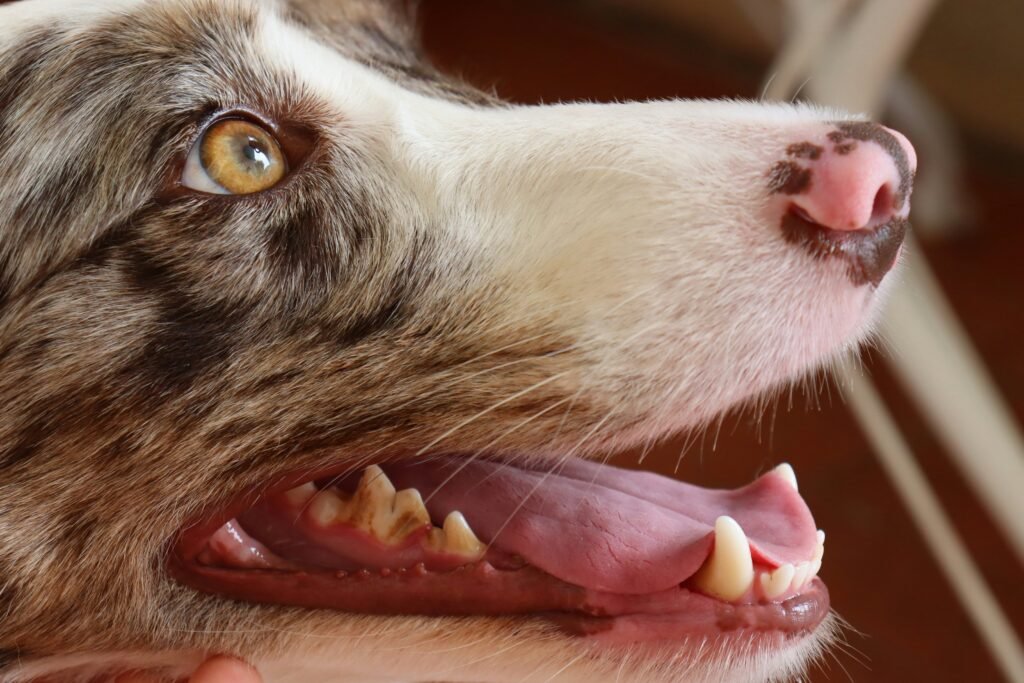
Dog dental disease is one of the most common health problems in dogs, yet it is often overlooked by pet parents. By age three, most dogs already show signs of gum disease, tartar buildup, and bad breath. If left untreated, dental disease can lead to painful infections, tooth loss, and even affect your dog’s heart, liver, and kidneys. Understanding the signs of dental disease in dogs and practicing consistent dog oral care can prevent serious complications and keep your dog healthy.
Key Signs of Dental Disease in Dogs
1. Persistent Bad Breath
While occasional bad breath is normal, chronic bad breath in dogs is a clear warning sign of plaque accumulation and gum disease. Using products like TropiClean Fresh Breath Water Additive can help reduce odor and bacterial buildup.
2. Yellow or Brown Tartar on Teeth
Plaque that hardens into tartar often appears as yellow or brown deposits on the teeth, especially the molars. Dental chews like Greenies or Whimzees can help scrape away tartar while promoting healthy chewing habits.
3. Red, Swollen, or Bleeding Gums
Gingivitis, inflammation of the gums, is an early stage of dog dental disease. Look for redness, swelling, or bleeding during brushing or while your dog eats. Products like Vet’s Best Dental Wipes are gentle ways to keep gums clean.
4. Difficulty Eating or Chewing
Dogs with dental problems may drop food, paw at their mouth, or avoid hard kibble. This is often a sign of tooth pain caused by dental disease. Consult your vet and consider switching to softer foods temporarily.
5. Loose or Missing Teeth
Advanced periodontal disease can cause teeth to become loose or fall out. This requires immediate veterinary attention. Maintaining regular dog teeth cleaning routines can help prevent this stage.
6. Excessive Drooling or Blood in Saliva
Unexplained drooling or traces of blood in your dog’s saliva can indicate oral infections or gum disease. Monitor closely and seek veterinary evaluation if symptoms persist.
7. Behavioral Changes
Pain from dental disease can make dogs irritable, withdrawn, or less playful. Behavioral shifts are often subtle, so keep an eye out for changes in eating habits, activity, or interactions.
Preventing Dental Disease in Dogs
- Regular Brushing: Brushing your dog’s teeth with a dog toothbrush and enzymatic toothpaste (Virbac, Petsmile, or Vet’s Best) is the gold standard.
- Dental Chews and Toys: Chews like Oravet, Greenies, and Nylabone Dental Chews mechanically reduce plaque.
- Water Additives: Products like TropiClean Fresh Breath or Dental Fresh Advanced Plaque & Tartar Additive help reduce bacteria daily.
- Professional Vet Cleanings: Annual veterinary cleanings are critical for maintaining dog oral health and catching problems early.
Recommended Dog Dental Products
- Toothpastes: Virbac C.E.T., Petsmile Professional, Vet’s Best Enzymatic
- Dental Chews: Greenies, Whimzees, Oravet
- Dental Toys: Nylabone, Kong Dental Stick, Benebone Dental Chew
- Water Additives: TropiClean Fresh Breath, Dental Fresh Advanced
Conclusion
Early detection and prevention of dog dental disease can save your pet from pain and long-term health problems. By regularly brushing, using dog dental products, and scheduling professional cleanings, you can ensure your dog maintains a healthy mouth and a happy, playful life. Don’t wait until symptoms worsen—start practicing good dog oral care today.
Related Content
FAQ: Dog Dental Disease & Oral Health
What are the early signs of dog dental disease?
Early signs include bad breath in dogs, yellow or brown tartar on teeth, red or swollen gums, and reluctance to chew. Recognizing these symptoms helps prevent advanced dog dental disease.
How often should I check my dog’s teeth?
Regularly inspect your dog’s teeth and gums at least once a week. Frequent checks help detect plaque, tartar, or early signs of gum disease in dogs before problems become severe.
Can bad breath in dogs indicate dental disease?
Yes. Persistent bad breath is often a sign of plaque buildup and gum disease. Combining brushing, dental chews, and water additives can reduce odor and improve dog oral health.
How can I prevent dental disease in dogs?
Prevention includes daily dog teeth cleaning with dog-safe toothpaste, providing dental chews like Greenies or Oravet, using water additives, and scheduling annual vet dental checkups.
Are dental chews enough to keep my dog’s teeth healthy?
Dental chews help reduce tartar and freshen breath, but they should complement, not replace, regular brushing. For optimal dog oral care, combine chews with brushing and professional cleanings.
When should I take my dog to the vet for dental problems?
Seek veterinary care if you notice bleeding gums, loose teeth, difficulty eating, or persistent bad breath. Early intervention can prevent serious dog dental disease and complications like infections.
Can dental disease affect my dog’s overall health?
Yes. Untreated dental disease can spread bacteria to the heart, liver, and kidneys, leading to serious health issues. Maintaining good dog dental health is critical for overall wellness.