
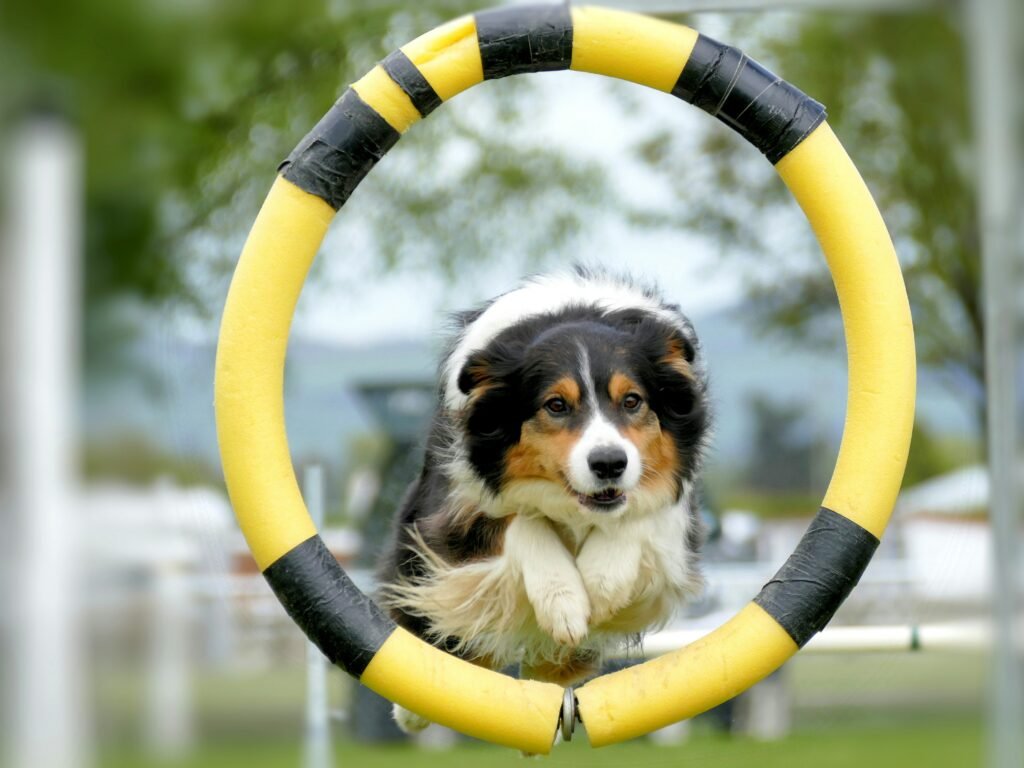
Unwanted dog behaviors like excessive barking, chewing, digging, or aggression can frustrate even the most patient pet owners. Understanding why these behaviors occur and applying effective, positive training techniques can transform your dog’s behavior and strengthen your bond. This blog explores common unwanted dog behaviors, their causes, and expert-backed solutions to correct them.
Common Unwanted Dog Behaviors
Dogs exhibit undesirable behaviors for various reasons, including boredom, anxiety, lack of training, or unmet physical and mental needs. Below, we outline the most frequent issues and their root causes, along with proven solutions to address them.
1. Excessive Barking
Barking is a natural form of communication, but excessive barking can signal boredom, anxiety, or territorial instincts.
- Causes: Lack of mental stimulation, separation anxiety, or reacting to environmental triggers like strangers or other animals.
- Solutions:
- Identify Triggers: Observe when and why your dog barks. Is it at passing cars or when left alone?
- Positive Reinforcement: Reward your dog with treats or praise when they remain quiet in triggering situations. Use commands like “quiet” to reinforce calm behavior.
- Mental and Physical Exercise: Ensure your dog gets enough exercise through walks, playtime, or puzzle toys to reduce boredom-driven barking.
- Professional Help: For persistent barking, consult a certified dog trainer or behaviorist. The American Kennel Club (AKC) offers detailed barking management tips.
2. Chewing and Destructive Behavior
Chewing is normal for dogs, especially puppies, but destructive chewing can damage furniture and belongings.
- Causes: Teething (in puppies), boredom, anxiety, or lack of appropriate chew toys.
- Solutions:
- Provide Chew Toys: Offer durable, safe chew toys like Kongs or Nylabones to redirect chewing. The ASPCA recommends rotating toys to maintain interest.
- Supervise and Redirect: Supervise your dog and redirect them to appropriate toys when they chew on forbidden items.
- Crate Training: Use crate training for times when you can’t supervise, ensuring the crate is a positive, safe space.
- Exercise and Enrichment: Increase physical activity and mental stimulation with training sessions or interactive games.
3. Digging
Digging is instinctive for many dogs but can ruin yards and gardens.
- Causes: Boredom, hunting instincts, or seeking comfort (e.g., digging to cool off).
- Solutions:
- Designate a Digging Zone: Create an area where digging is allowed, like a sandbox, and reward your dog for using it.
- Increase Exercise: A tired dog is less likely to dig out of boredom. Daily walks or fetch sessions can help.
- Address Environmental Factors: Provide shade or a cool resting spot to discourage digging for comfort. The Humane Society offers practical digging solutions.
4. Aggression
Aggression, such as growling or biting, can be dangerous and requires immediate attention.
- Causes: Fear, territorial instincts, pain, or lack of socialization.
- Solutions:
- Consult a Professional: Work with a certified dog behaviorist or veterinarian to assess the cause, especially if pain or medical issues are suspected.
- Desensitization and Counter-Conditioning: Gradually expose your dog to triggers (e.g., strangers) while rewarding calm behavior.
- Socialization: Early and ongoing socialization reduces fear-based aggression. The Association of Professional Dog Trainers (APDT) provides resources on managing aggression.
- Avoid Punishment: Punishing aggression can escalate fear and worsen the behavior.
5. Jumping on People
Jumping is a common way dogs greet people, but it can be overwhelming or unsafe.
- Causes: Excitement, seeking attention, or lack of training.
- Solutions:
- Ignore Jumping: Turn away and avoid eye contact when your dog jumps. Reward them with attention only when all four paws are on the ground.
- Teach Alternative Behaviors: Train your dog to sit or lie down when greeting people. Consistency is key.
- Exercise Before Greetings: A short walk or play session can reduce excitement-driven jumping.
- Training Resources: The PetMD offers step-by-step guides for curbing jumping.
General Tips for Correcting Unwanted Behaviors
- Consistency is Key: Use consistent commands, rewards, and routines to reinforce desired behaviors.
- Positive Reinforcement: Reward good behavior with treats, praise, or play to encourage repetition.
- Address Underlying Needs: Ensure your dog’s physical (exercise, diet) and mental (enrichment, training) needs are met.
- Patience and Persistence: Behavior change takes time. Stay patient and avoid punishment, which can increase stress and worsen behaviors.
- Seek Professional Help: For complex issues, consult a certified dog trainer or behaviorist. The Certification Council for Professional Dog Trainers (CCPDT) can help you find qualified professionals.
Why Addressing Unwanted Behaviors Matters
Correcting unwanted behaviors improves your dog’s quality of life and strengthens your relationship. It also ensures safety for your dog, your household, and others. By using positive, science-based methods, you can address issues like dog aggression, excessive barking, or destructive chewing effectively and humanely.
For more resources, explore:
- American Kennel Club (AKC) for training and behavior tips.
- ASPCA for comprehensive dog care advice.
- Humane Society for behavior-specific solutions.
- Association of Professional Dog Trainers (APDT) for finding certified trainers.
By understanding your dog’s needs and applying these dog training techniques, you can create a happier, healthier environment for both you and your furry friend. For personalized advice, consider reaching out to a professional trainer or behaviorist to tailor solutions to your dog’s unique needs.
Related Contents
- Supporting Senior Dogs: 8 Essential, Veterinarian Validated Supplements
- Dog Dental Health: Best Products and Oral Care tips
FAQ: Unwanted Dog Behaviors and How to Correct Them
What are the most common unwanted dog behaviors?
Dogs commonly display unwanted behaviors such as excessive chewing, jumping on people, barking, and counter-surfing—often driven by boredom, anxiety, or insufficient training. Effective dog behavior correction addresses the root causes.
How can positive reinforcement help in dog behavior correction?
Positive reinforcement training means rewarding good behavior—like offering treats or praise for sitting instead of jumping—which strengthens the bond and encourages desirable habits without fear or punishment.
What should I do when my dog jumps on visitors?
When your dog jumps up, stand still or turn away without giving attention. Once they sit calmly, reward them with praise or a treat. This teaches a reliable, polite alternative to jumping.
How do I stop my dog from chewing valuable items?
Prevent chewing by keeping tempting objects out of reach and offering appropriate chew toys. Redirect your dog to these toys with praise—this encourages better chewing habits over destructive ones.
What is counterconditioning and how does it help with unwanted behaviors?
Counterconditioning, combined with desensitization, replaces a dog’s negative response (like fear or excitement) toward a trigger with a positive association, such as treats during exposure to that trigger. It’s especially helpful for behaviors driven by anxiety.
How can owners accidentally reinforce bad behaviors?
Reinforcement often happens unintentionally—like giving in to whining for table scraps or accelerating when a dog pulls on the leash. This teaches dogs that such behaviors get results. A mindful approach is required to break the cycle.
Should unwanted behaviors always be ignored?
Ignoring attention-seeking behaviors (like jumping) can work—but only if you have taught a desirable alternative (e.g., sitting). Otherwise, your dog may escalate or shift to a different unwanted behavior. Training must guide what to do instead, not just what not to do.